In this guide
What we like
- Proprietary Clear Connect radio avoids Wi-Fi congestion — famously reliable
- Selected dimmers, including DVRF-6L, work without a neutral wire
- Excellent motorised shade range with very quiet motors
- Long product support lifecycles
What to watch
- More expensive per dimmer than generic smart switches
- Caséta needs its own bridge
- Shades are a significant investment
- Colour-changing bulb support is limited compared with Hue
Clear Connect is the whole argument
Most smart home devices share the 2.4 GHz band with Wi-Fi, Bluetooth, Zigbee, baby monitors and microwave ovens. In a flat surrounded by neighbours, that band is crowded, and crowding is why smart lights become unreliable at exactly the wrong moment.
Lutron runs its own radio protocol, Clear Connect, on a much quieter frequency. It is proprietary — a fair criticism — and it is why Lutron switches respond instantly and consistently in environments where Wi-Fi devices struggle.
This is not a marketing distinction. It is the reason installers specify Lutron on jobs where a callback for “the lights stopped working” would cost them more than the hardware margin.
Caséta, RA3 and knowing which you need
Caséta is the DIY line. A bridge plus dimmers and remotes, installed by a competent homeowner, controlling a room or a whole house. For most people this is the right product.
RadioRA 3 is the professional line: more devices, keypads, scene control across a large property, commissioned by a dealer. Appropriate for larger homes or where you want engraved keypads instead of an app.
Sivoia is the high-end shade system, professionally installed and specified.
Most households need Caséta. Consider RA3 if the property is large, you want multi-button keypads throughout, or you are integrating with AV and want a dealer to own it.
Neutral-wire requirements depend on the dimmer
Many smart switches require a neutral wire at the switch box. Older homes frequently do not have one, which rules out a large share of the market instantly.
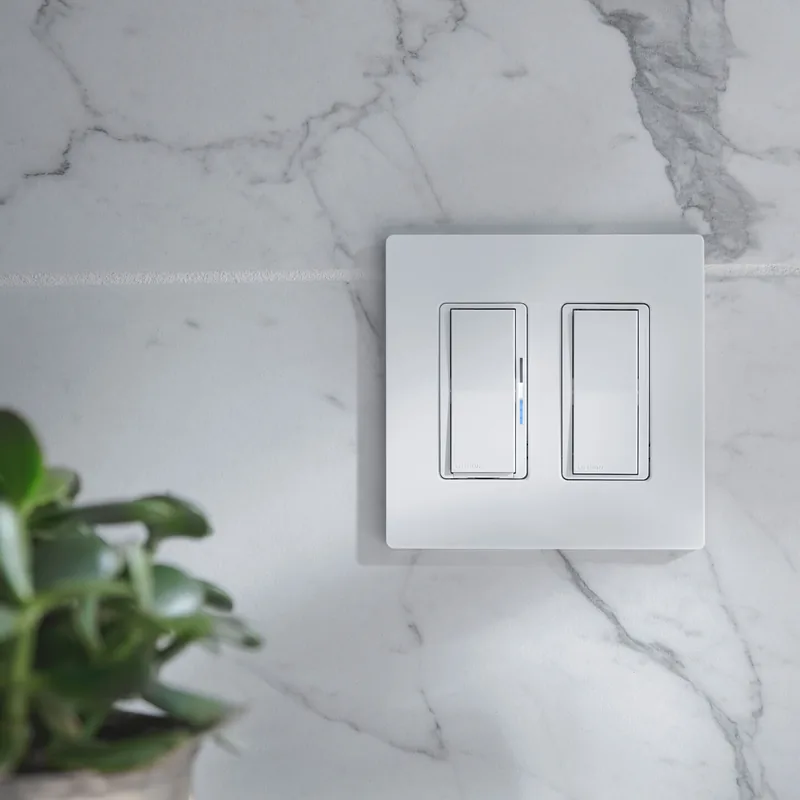
The Diva Smart LED+ Dimmer DVRF-6L does not require a neutral wire. The Diva Smart ELV+ Dimmer DVRF-5NE does. Match the exact dimmer to the wiring and lighting load; do not assume every Lutron dimmer works without a neutral.
Lutron also uses the Pico remote rather than requiring the switch to be reachable — a wall control that needs no wiring at all and can be moved or carried. It is an unglamorous product that solves a genuine problem in old houses with awkward switch placement.
The shades, and what they cost
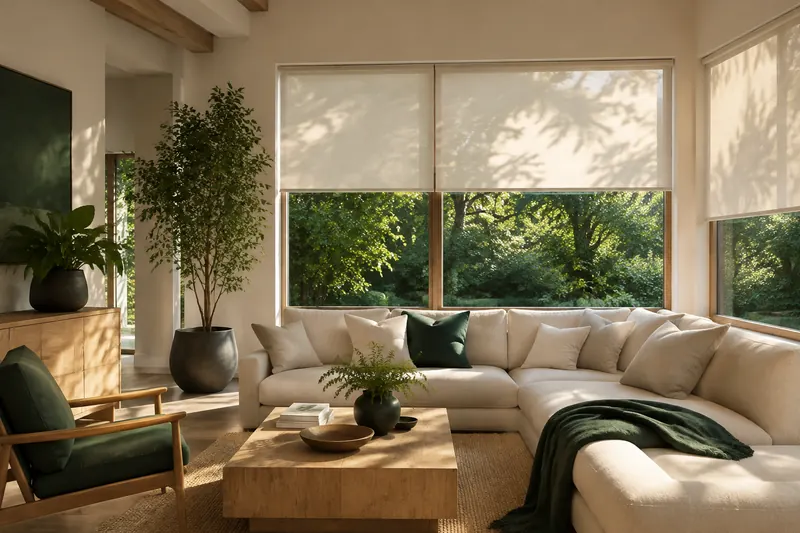
Lutron’s motorised shades are excellent and expensive. Motors are notably quiet — meaningfully quieter than budget alternatives, which matters in a bedroom on a morning schedule — and the fabric range is genuinely designed rather than merely functional.
Expect roughly $300–$1,000 per window depending on size, fabric and whether the shade is battery, wired or hardwired. A whole-house installation is a five-figure project in many homes.
Whether that is justified depends on how long you will live there and how much the difference between a quiet, reliable shade and a cheap noisy one matters to you. Our motorised blinds guide covers the full range of options including much cheaper ones.
Who should buy Lutron
Consider Lutron if you want a dedicated lighting-control system or motorised shades. For a switch box without a neutral, confirm that a model such as DVRF-6L supports both your wiring and lighting load.
Buy something else if upfront cost is the binding constraint; you want colour-changing bulbs as the centrepiece (Philips Hue); or you object to proprietary radio protocols on principle.
Sources and review scope
This is a research-based review. Our score is an editorial assessment using our published criteria; it is not a hands-on test result. We have not independently measured this product’s performance or long-term reliability.
What to check for your setup: The pictured Caseta Diva Smart LED+ dimmer DVRF-6L needs no neutral, but the Diva Smart ELV+ DVRF-5NE does; match the exact model to the light load and wiring. A Caseta Smart Hub adds app control, voice integration and schedules, and these Caseta specifications should not be applied to RadioRA 3 or shading systems.
Source notes checked . Prices and offers can change; confirm the current terms for your chosen equipment and plan.
Frequently asked questions
Why do installers recommend Lutron so consistently?
Clear Connect, its proprietary radio, runs on a quieter frequency than the congested 2.4 GHz band. The result is reliability that generates far fewer callbacks than Wi-Fi lighting.
Does Lutron work without a neutral wire?
It depends on the model. Diva Smart LED+ DVRF-6L needs no neutral, while Diva Smart ELV+ DVRF-5NE requires one. Check the exact dimmer’s wiring and load specifications before buying.
Caséta or RadioRA 3?
Caséta for most homes — DIY, bridge-based, capable. RA3 for larger properties, engraved keypads throughout, or professional integration with AV.
How much do Lutron motorised shades cost?
Roughly $300–$1,000 per window depending on size, fabric and power type. See our motorised blinds cost guide for cheaper alternatives.
Full specifications and scores
At a glance
- Installation
- DIY (Caséta) or professional (RA3, Sivoia)
- Contract
- None
- Monitoring
- N/A
- Monthly
- $0
- Equipment
- $60–$100 per dimmer; shades $300–$1,000+
- Storage
- N/A
- Works with
- Apple Home, Alexa, Google, Sonos (system/hub-dependent)