In this guide
A decade ago, DIY security meant a compromise: cheaper, but less reliable and rarely professionally monitored. That is no longer true. Today’s self-install systems use the same central stations, the same cellular backup and the same sensor technology as professionally installed ones.
What you give up is an hour of your Saturday and someone else deciding where the sensors go. What you gain is typically 50–70% of the cost, and the freedom to stop paying whenever you like.
| Pick | Award | Score | Monthly | Contract |
|---|---|---|---|---|
| SimpliSafe | Best overall DIY system | 4.6/5 | $0–$79.99 | None |
| Ring | Best DIY value with cameras | 4.3/5 | $0–$20 | None |
| Abode | Best DIY for automation | 4.1/5 | $0–$25 | None |
| Cove | For a monitored DIY alarm | 3.9/5 | $22.99–$42.99 | None |




1. SimpliSafe — Best overall DIY system
Why it wins: Adhesive sensor mounting and month-to-month monitoring, with optional outdoor agent coverage on Pro or Pro Plus.
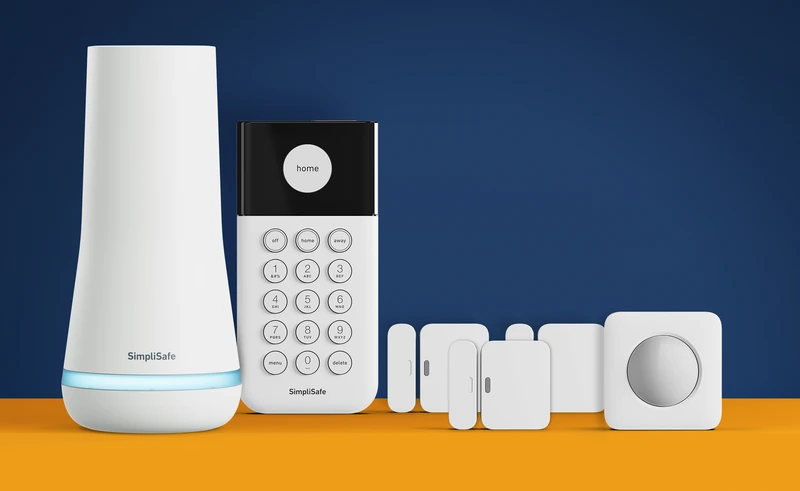
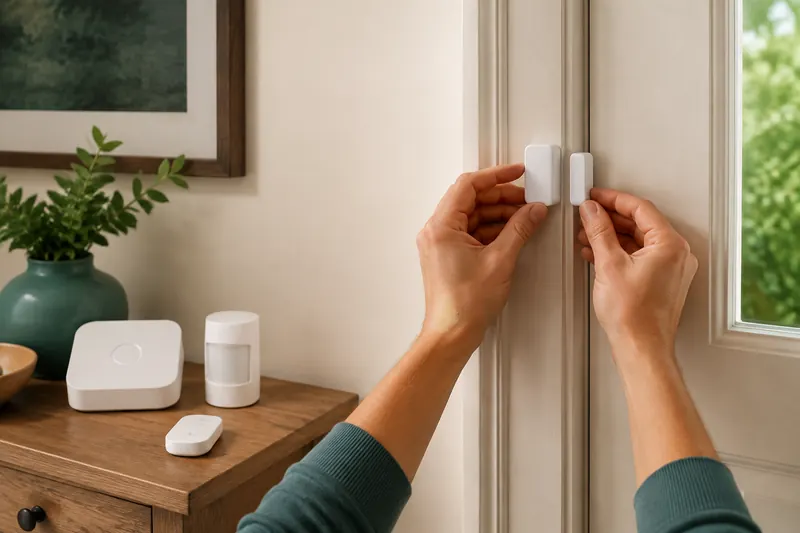
The alarm sensors support adhesive installation. Allow time to plan placement, follow each device’s instructions and test the completed system; camera mounting and power requirements may add work.
SimpliSafe recommends clean, dry surfaces and identifies cold, humidity and rough surfaces as possible adhesive problems. Review the entry-delay settings before relying on the system. Our installation section links the manufacturer’s guidance.
What we like
- Month-to-month monitoring with no long-term contract
- Adhesive sensor mounting supports DIY installation
- Outdoor agent coverage on Pro overnight or Pro Plus around the clock
What to watch
- Home automation is minimal compared with Vivint or a Hubitat-style setup
- Camera line-up is smaller than Ring or Arlo
- Outdoor agent coverage starts at $49.99/month and requires eligible cameras
2. Ring — Best DIY value with cameras
Why it wins: Unlimited camera recording plus 24/7 monitoring for around $20 a month, with the widest camera range available.
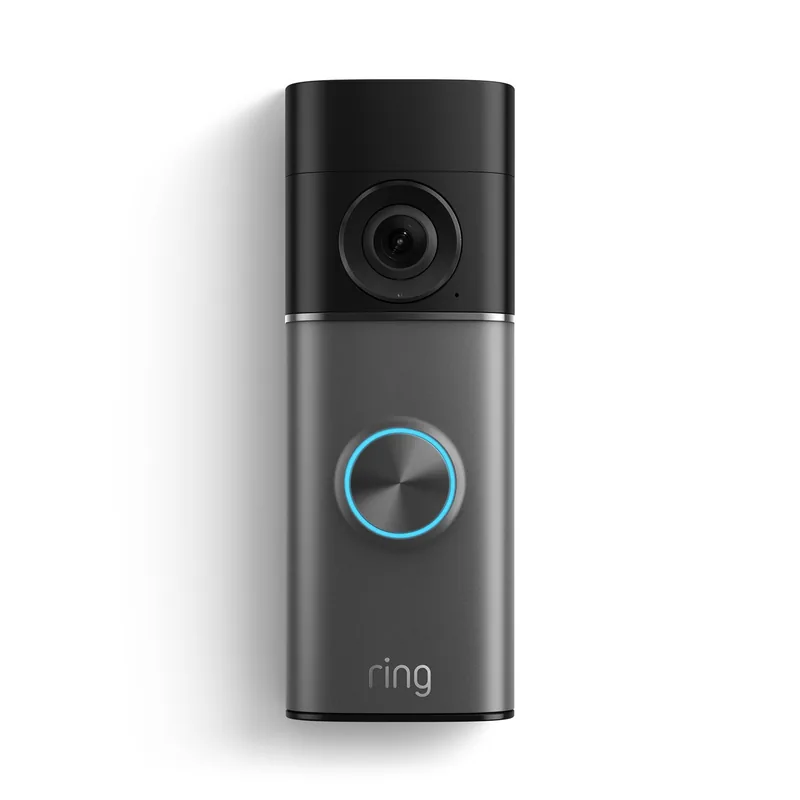
If your DIY system needs cameras — and most people want at least a doorbell — Ring is the most economical route. The alarm installs as easily as SimpliSafe, and the top plan covers every camera at the address plus professional monitoring.
The trade is that cameras record nothing without that plan, and footage lives with Amazon.
What we like
- The widest, best-executed range of doorbells and cameras at consumer prices
- Professional monitoring is notably cheap for what it includes
- Deep Alexa integration — announcements, Echo Show feeds, voice arming
What to watch
- Video recording essentially requires a subscription
- No local storage option on most devices
- Amazon ownership is a real consideration for privacy-minded buyers
3. Abode — Best DIY for automation
Why it wins: Compatible Z-Wave, Zigbee and Apple Home devices on Smart Security Hub and Iota, with optional paid monitoring.
The DIY system for people who read spec sheets. Bring your own sensors, integrate with Apple Home, and build automations that actually chain across devices.
Budget an afternoon rather than an hour, plus an evening tuning automations. If that sounds tedious rather than enjoyable, SimpliSafe will make you happier.
What we like
- Genuine Apple Home support, which most competitors lack
- Compatible Z-Wave and Zigbee devices on supported hubs
- Optional professional monitoring with Pro
What to watch
- Setup rewards patience; it is not a 20-minute system
- Smaller company than the majors, with a smaller support organisation
- First-party cameras are middling
4. Cove — For a monitored DIY alarm
Why it wins: Basic monitoring is $22.99/month; compare Plus at $32.99 and Premium at $42.99 for the camera and plan features you need.
A narrow product that serves its niche well. InstaText notifies you before the monitoring call, so false alarms can be cancelled from your phone — genuinely useful where councils charge for false dispatch.
Cameras are thin and automation is essentially absent. Choose it only if a monitored alarm is all you want.
What we like
- Among the cheapest 24/7 professional monitoring available
- InstaText and RapidSOS alerting are genuinely fast
- No contract and a 60-day return window
What to watch
- App and automation features lag well behind the leaders
- Camera selection is limited and unimpressive
- Equipment discounts are usually tied to signing up for monitoring
Planning sensor placement properly
This is the part that actually determines whether your system works, and it takes more thought than the physical installation.
Entry sensors first. Every exterior door, and every ground-floor window that is realistically reachable. Do not bother with a second-floor window that would need a ladder unless you have a flat roof or a convenient tree.
Motion sensors as a backup layer. Place them to cover the route an intruder must take — a hallway or a staircase — rather than pointing at a window. The aim is to catch someone who got past the perimeter.
Avoid the classic mistakes. Do not point a motion sensor at a radiator, a sunny window, or an air vent; temperature changes cause false triggers. If you have pets, use pet-immune sensors and mount them high, angled slightly down.
What DIY genuinely cannot do
Honesty matters here, because DIY is not the right answer for everyone.
Hardwired cameras. Running cable through finished walls, fitting PoE, weatherproofing external penetrations — this is real work with real consequences if done badly.
Large properties. Beyond roughly 2,500 square feet, wireless range and sensor count start to need planning rather than guesswork.
Integration with existing wiring. Retrofitting into legacy alarm wiring, or integrating with a structured cabling system, is specialist work.
Anything involving mains electricity. Hardwired sirens, powered cameras on external walls, lighting circuits. Get an electrician.
If your project falls into any of these, a free consultation is worth the fifteen minutes.
Frequently asked questions
Is DIY home security as good as professional?
For monitoring quality, essentially yes — DIY systems use the same central stations and cellular backup. The difference is who plans and installs it, and for a typical home that is not a meaningful disadvantage.
How long does DIY installation take?
About an hour for SimpliSafe or Ring in an average home; an afternoon for Abode. Allow extra time to think about sensor placement, which matters more than mounting speed.
Can I get professional monitoring with a DIY system?
Yes. SimpliSafe, Ring, Abode and Cove offer professional monitoring. SimpliSafe Standard is $22.99/month; Core is $32.99/month with recording. Its outdoor agent plans cost $49.99 or $79.99/month, so compare features rather than assuming one typical DIY price.
Will DIY security void my home insurance discount?
Usually not, but check. Some insurers require professional monitoring rather than professional installation — which most DIY systems can provide. Ask your insurer what documentation they need.