 4.2
4.2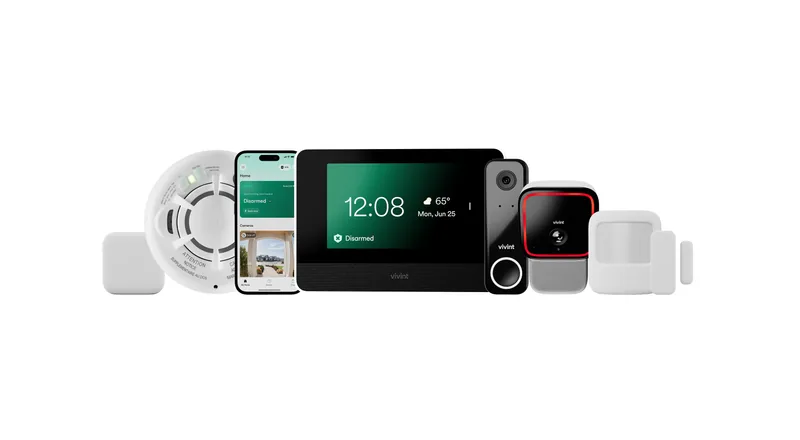
 4.4
4.4In this guide
ADT vs Vivint at a glance
| Feature | ADT | Vivint |
|---|---|---|
| Our score | 4.2/5 | 4.4/5 |
| Installation | Professional (DIY option via Self Setup) | Professional only |
| Contract | 36 months typical for professional installs | None if equipment paid upfront; 42–60 months if financed |
| Monitoring | Professional only | Professional only |
| Monthly cost | $25–$70 | $30–$60 |
| Equipment cost | $200–$1,600+ | $600–$2,000+ |
| Video storage | Cloud (Nest Aware for cameras) | Cloud (Vivint Smart Drive optional) |
| Works with | Google Nest, Alexa, Z-Wave | Alexa, Google Assistant, Z-Wave, Philips Hue |
| Trial / returns | 6-month money-back guarantee | 3-day cancellation window |
| Best for | Homeowners who want a long-established company doing the install and the monitoring | Larger homes wanting genuine automation, not just an alarm |
Two different products wearing similar clothes
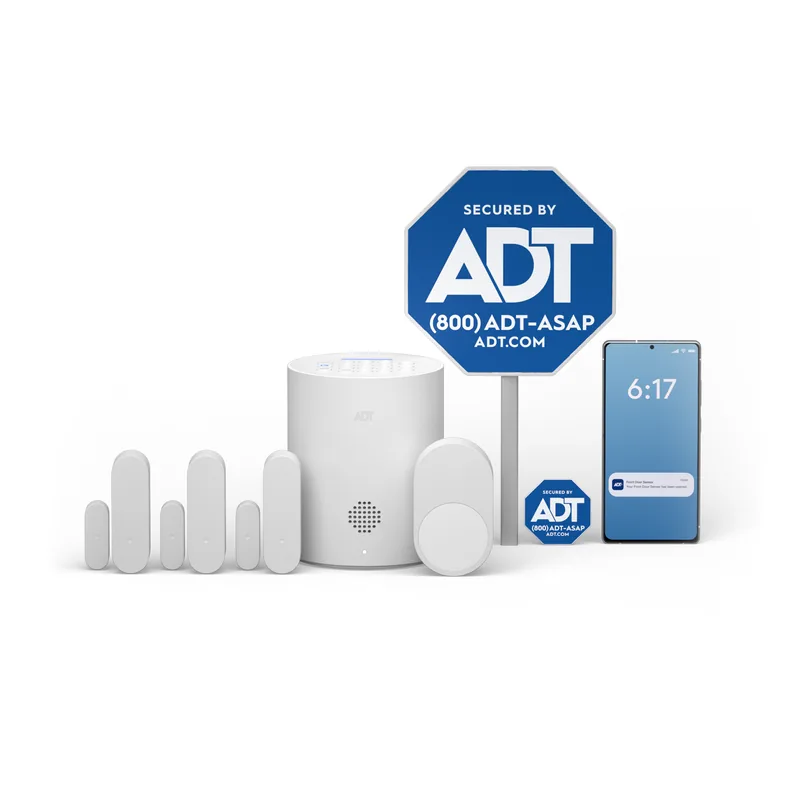
ADT approaches the problem as a monitoring company. Its strength is the network that answers when the alarm fires, and the smart home features are competent additions around that core.
Vivint approaches it as an integration company. Its strength is that the doorbell, cameras, locks, garage door and thermostat behave as one system, commissioned together. The alarm is part of that system rather than the point of it.
If you mainly want a reliable, professionally monitored alarm, ADT is the more direct answer. If you want the house to actually do things — arm, lock, close the garage and set back the thermostat as one action — Vivint does that materially better.
Vivint’s camera advantage is substantial
The Vivint Outdoor Camera Pro performs person detection on the device and can respond autonomously: light, tone, and a spoken warning that the person is being recorded. That deterrence happens whether or not you are awake.
ADT relies on Google Nest cameras, which are excellent at notification filtering and familiar-face detection but do not act on their own in the same way.
If cameras are central to your thinking, Vivint leads. If you mainly want good notifications and clean integration, the Nest devices in an ADT system are very capable.
Contracts and financing compared
ADT typically uses a straightforward 36-month monitoring agreement.
Vivint technically requires no contract if you buy equipment outright — but most customers finance over 42 to 60 months, and that agreement functions similarly. The nominal absence of a contract is less meaningful than it sounds.
| Scenario | Year 1 | Three-year total | Notes |
|---|---|---|---|
| ADT, mid package | ≈ $1,000–$1,400 | ≈ $2,000–$3,200 (3yr) | 36-month agreement |
| Vivint, mid package | ≈ $1,200–$1,900 | ≈ $3,500–$5,500 (5yr) | Financed equipment plus monitoring |
Vivint generally costs more in total. Whether that is justified depends entirely on whether you will use the automation — if you buy Vivint and use it as an alarm, you have overpaid substantially.
Which should you choose?
Choose ADT if monitoring depth and corporate longevity are your priorities; you want an alarm rather than an automation platform; or you want the lower of two still-significant costs.
Choose Vivint if you want genuine whole-home automation; the autonomous outdoor camera appeals; you have a larger property; or you want one designed system rather than an alarm plus accessories.
Both warrant the same advice: never sign on the doorstep, and get the full multi-year total in writing first.
Frequently asked questions
Is Vivint more expensive than ADT?
Generally yes. Vivint equipment costs more and financing terms run longer. Over five years a well-specified Vivint system commonly totals $3,500–$5,500.
Which has better cameras?
Vivint, for outdoor deterrence — its camera acts autonomously. ADT’s Nest cameras are better at notification filtering and familiar-face detection.
Can either be self-installed?
Vivint is professional-install only. ADT offers a self-install option, though it is a different product from the professionally installed system.
Do both require long commitments?
Effectively yes. ADT uses a 36-month agreement; Vivint usually involves 42–60 month equipment financing that functions similarly.
Full specifications and scores
Quick scores
- ADT
- 4.2/5 — The incumbent, with the monitoring record to justify it
- Vivint
- 4.4/5 — The most capable installed system, at the highest price