In this guide
What we like
- Best-in-class outdoor camera with on-device deterrence and person detection
- Genuine home automation — locks, garage, thermostat, lighting under one app
- Professional design and installation of the whole system
- No contract required if you buy the equipment outright
What to watch
- The most expensive option here by a clear margin
- Financing agreements typically run 42–60 months
- Equipment is proprietary and has little resale value
- Historically aggressive door-to-door sales in some markets
The only mainstream system that is genuinely integrated
Most “smart” security systems are an alarm with some accessories bolted on. Vivint is designed the other way round: a single system where the doorbell, outdoor cameras, locks, garage door, thermostat and alarm are commissioned together by a technician who walks your property first.
The practical difference shows up in behaviour rather than spec sheets. Arming in Away mode can lock the doors, close the garage and set back the thermostat. A doorbell detecting a lingering visitor can trigger the outdoor camera. These sequences work reliably because one company designed and installed all of it — the thing that most often breaks in a mixed DIY setup is exactly this kind of cross-device choreography.
The outdoor camera is the standout product
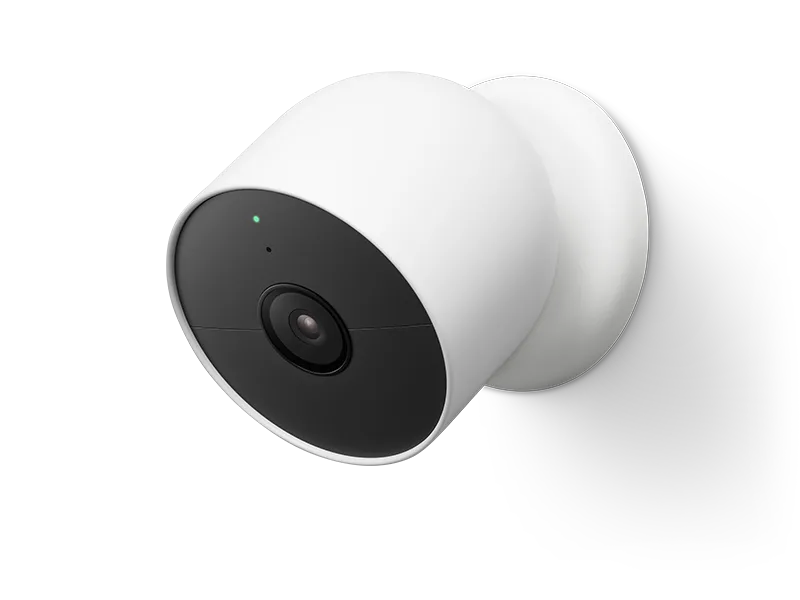
If one component justifies Vivint’s price, it is the Outdoor Camera Pro. It performs person detection on the device rather than in the cloud, which makes it fast and keeps working when broadband drops. When it identifies someone lurking, it can respond on its own: a light, a tone, and a warning that they are being recorded.
That autonomous deterrence is rare at consumer prices. Most cameras notify you and hope you are holding your phone. This one acts while you are asleep.
The doorbell camera is similarly strong, with a tall aspect ratio that shows packages on the doorstep and the same on-device detection.
What it costs, and how the financing really works
This is the section to read twice.
Equipment typically runs $600 to well over $2,000 depending on cameras and coverage. Monitoring runs roughly $30–$60 per month. Installation is professional and usually carries a fee, often discounted promotionally.
The important structure is this: Vivint does not require a contract if you buy the equipment outright. Most customers do not, because writing a $1,800 cheque is unappealing. Instead they finance the equipment over 42 to 60 months, and that financing agreement functions much like a contract — you owe the balance regardless of whether you keep the monitoring.
The sales reputation, addressed directly
Vivint has a long-standing reputation for aggressive door-to-door selling, and it has faced regulatory action over sales practices. The company has made changes, but the reputation is not baseless and you should go in prepared.
Practical guidance if someone knocks:
- Never sign on the doorstep. A legitimate offer survives until tomorrow.
- Get the full five-year cost in writing — equipment, financing, monitoring, fees.
- Note the cancellation window, which is short. Diary it.
- Be wary of urgency, neighbourhood-discount framing, or claims about recent local break-ins.
None of this means the product is bad. The product is very good. It means the buying process rewards a slow, sceptical customer.
Who Vivint is right for
Consider Vivint if you own a larger home, want genuine automation rather than an alarm with extras, prefer professional design and installation, and can comfortably absorb the total cost.
Look elsewhere if you rent, want to self-install, are cost-sensitive, or need flexibility to stop paying. Vivint vs SimpliSafe is the clarifying comparison — it is essentially premium-installed versus contract-free-DIY, and most households know instinctively which side they are on.
Sources and review scope
This is a research-based review. Our score is an editorial assessment using our published criteria; it is not a hands-on test result. We have not independently measured this product’s performance or long-term reliability.
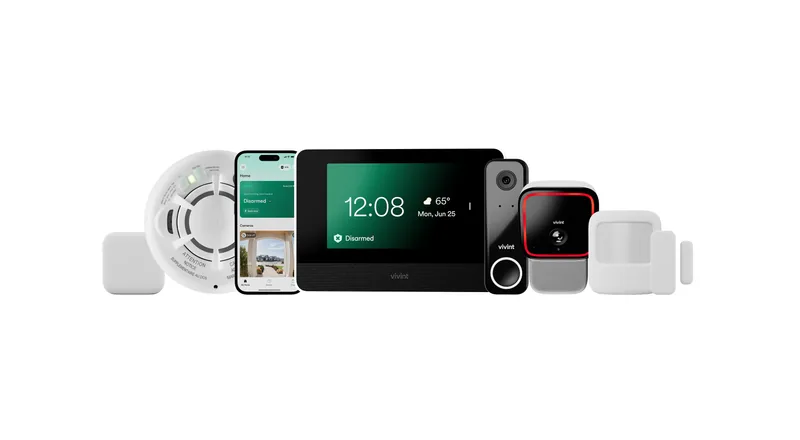
What to check for your setup: The pictured HomeProtect Pro equipment supports a broader device lineup than entry-level HomeProtect, including Outdoor Camera Pro. Paying for equipment upfront can allow month-to-month service, but ending the service plan limits system functions, including remote connectivity.
Source notes checked . Prices and offers can change; confirm the current terms for your chosen equipment and plan.
Frequently asked questions
Does Vivint require a contract?
Not if you buy the equipment outright. Most customers finance it over 42–60 months, and that financing agreement carries obligations similar to a contract. Read it before signing.
How much does Vivint cost in total?
Expect $600–$2,000+ for equipment plus roughly $30–$60 per month for monitoring. Over five years a well-specified system commonly totals $4,000–$6,000.
Can I install Vivint myself?
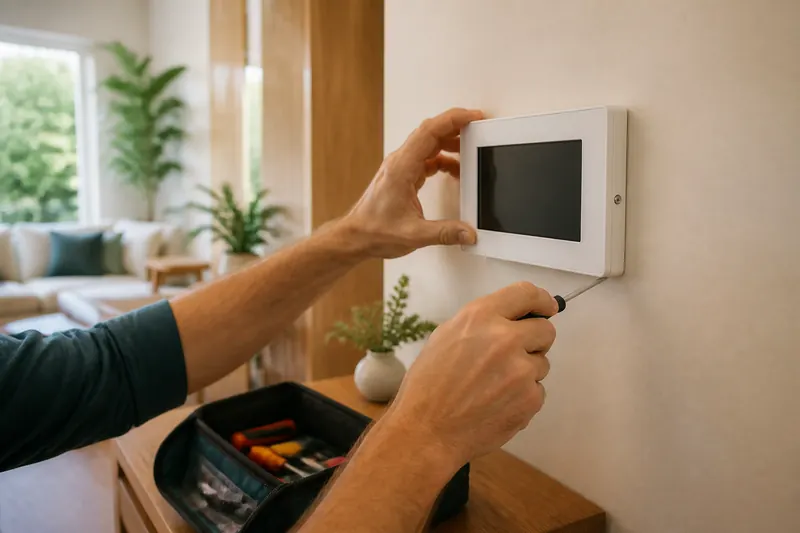
No. Vivint is professional-install only by design — the system is commissioned as a whole. If self-installation matters to you, look at SimpliSafe, Ring or Abode.
What happens to Vivint equipment if I move?
You own it, but it is proprietary and has minimal resale value. Vivint offers relocation services. Factor this in if a move is likely within the financing term.
Is Vivint worth the extra money over DIY?
If you want real automation and want someone else to own the design, installation and warranty, yes. If you mainly want an alarm that reliably reports break-ins, DIY systems now do that nearly as well for far less.
Full specifications and scores
At a glance
- Installation
- Professional only
- Contract
- None if equipment paid upfront; 42–60 months if financed
- Monitoring
- Professional only
- Monthly
- $30–$60
- Equipment
- $600–$2,000+
- Storage
- Cloud (Vivint Smart Drive optional)
- Works with
- Alexa, Google Assistant, Z-Wave, Philips Hue