 4
4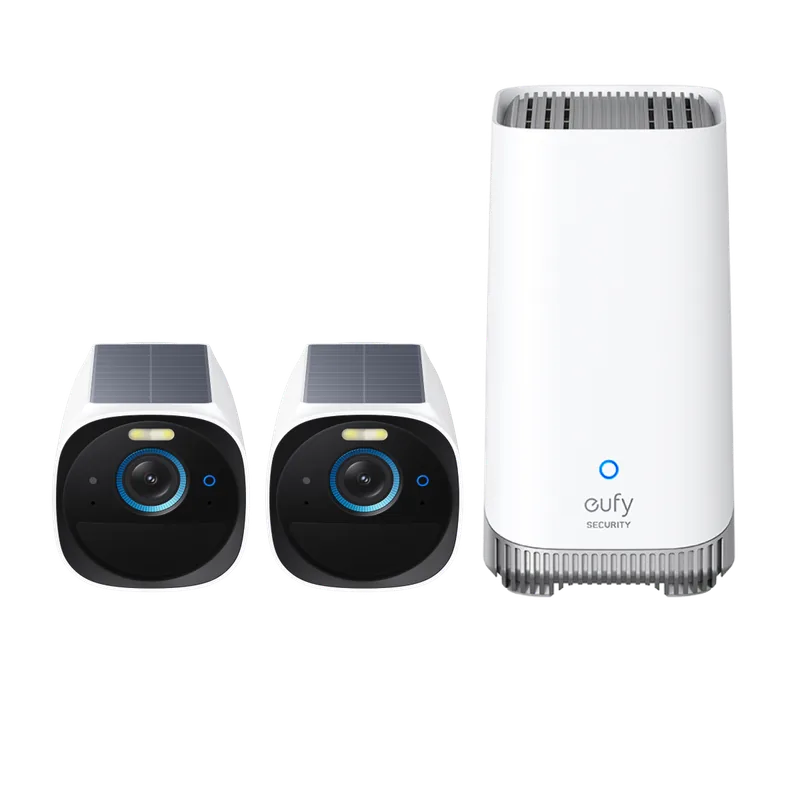
 4
4In this guide
Arlo vs Eufy at a glance
| Feature | Arlo | Eufy |
|---|---|---|
| Our score | 4/5 | 4/5 |
| Installation | DIY | DIY |
| Contract | None | None |
| Monitoring | Self-monitoring (professional via Arlo Secure) | Self-monitoring (limited professional option) |
| Monthly cost | $0–$25 (Arlo Secure) | $0 (optional cloud from ~$3) |
| Equipment cost | $100–$500 per device | $100–$550 |
| Video storage | Cloud (local via base station on some models) | Local (HomeBase) with optional cloud |
| Works with | Alexa, Google Assistant, Apple Home (varies) | Alexa, Google Assistant, Apple Home (varies) |
| Trial / returns | 30-day returns | 30-day returns |
| Best for | Properties where running cable is impractical | Buyers who refuse a monthly subscription and want footage stored at home |
Image quality: Arlo
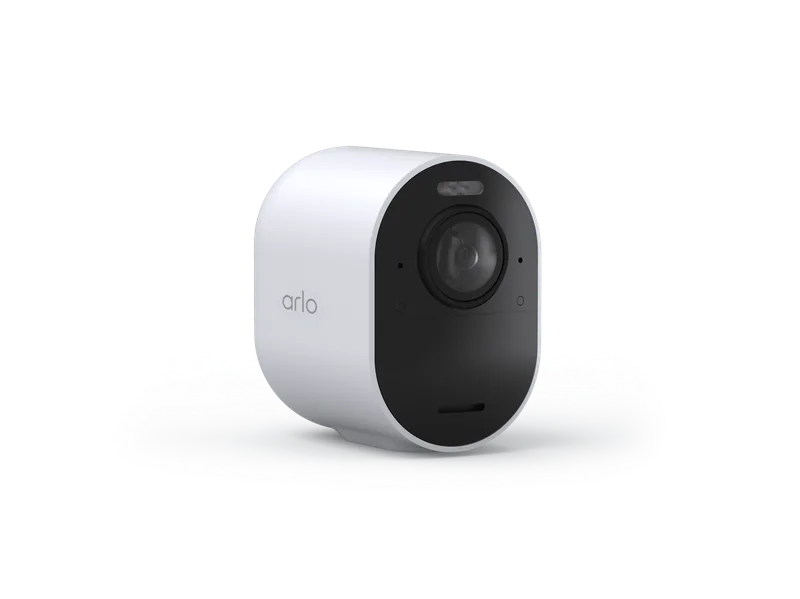
Arlo offers 2K and 4K options with excellent colour night vision. At distance — reading a plate, identifying a face across a garden — it resolves detail Eufy generally cannot.
Eufy’s cameras are good, typically 2K, with an interesting dual-lens design pairing a wide view with a telephoto for faces and packages. That is a clever answer to the same problem, and often sufficient.
If forensic detail at distance is the requirement, Arlo. For most residential purposes Eufy is entirely adequate.
Storage and cost: Eufy, decisively
This is the substance of the comparison.
Arlo records to the cloud and requires Arlo Secure for recording, person detection and activity zones. Pricing has risen repeatedly and features have migrated between tiers.
Eufy records to a HomeBase in your house. No subscription. Footage stays local, works during an internet outage, and plays back faster.
| Setup | Hardware | Five-year subscription | Total |
|---|---|---|---|
| Arlo, 4 cameras + Secure | ≈ $600–$1,000 | ≈ $900–$1,500 | ≈ $1,500–$2,500 |
| Eufy, 4 cameras + HomeBase | ≈ $600–$900 | $0 | ≈ $600–$900 |
The trade-offs each way
Eufy’s risk: if a burglar takes the HomeBase, the footage goes with it. Hide it, cover it with a camera, and consider cloud backup for the most important position. Eufy also had a 2023 disclosure that some data reached the cloud despite local-storage marketing — corrected, but worth knowing.
Arlo’s risk: your footage and features depend on a company’s continued pricing decisions. Arlo has raised prices and moved features between tiers more than once.
Neither model is strictly safer — they fail in different ways.
Which should you choose?
Choose Arlo if you need maximum image quality; you are covering long distances; or you want the most capable wire-free hardware regardless of running cost.
Choose Eufy if you object to subscriptions; you want footage stored at home; or you are covering several positions where subscription costs would compound.
For most households, Eufy is the better long-term buy.
Frequently asked questions
Is Eufy really subscription-free?
Yes. Cameras record to the HomeBase in your home. Optional cloud backup exists but is not required.
Which has better image quality?
Arlo, particularly its 4K models. Eufy’s dual-lens cameras are a clever alternative and adequate for most residential use.
What if someone steals the Eufy HomeBase?
You lose the footage on it. Hide it away from entry points, cover it with a camera, and consider cloud backup for critical cameras.
Full specifications and scores
Quick scores
- Arlo
- 4/5 — The wire-free camera specialist
- Eufy
- 4/5 — Local storage, no subscription — with an asterisk