In this guide
What we like
- Best true wire-free battery cameras, including 2K and 4K options
- Excellent weather resistance and genuinely long battery life
- Optional local storage via a base station on some models
- Colour night vision and integrated spotlights on most current cameras
What to watch
- Nearly all useful features require an Arlo Secure subscription
- Subscription pricing has risen repeatedly
- Batteries need recharging every few months in busy locations
- Apple Home support has narrowed over time
Genuinely wire-free, not just battery-powered
Plenty of cameras claim to be wireless when they mean Wi-Fi but still need a power cable. Arlo built its business on cameras that need neither — mount them anywhere, including places with no power within thirty metres.
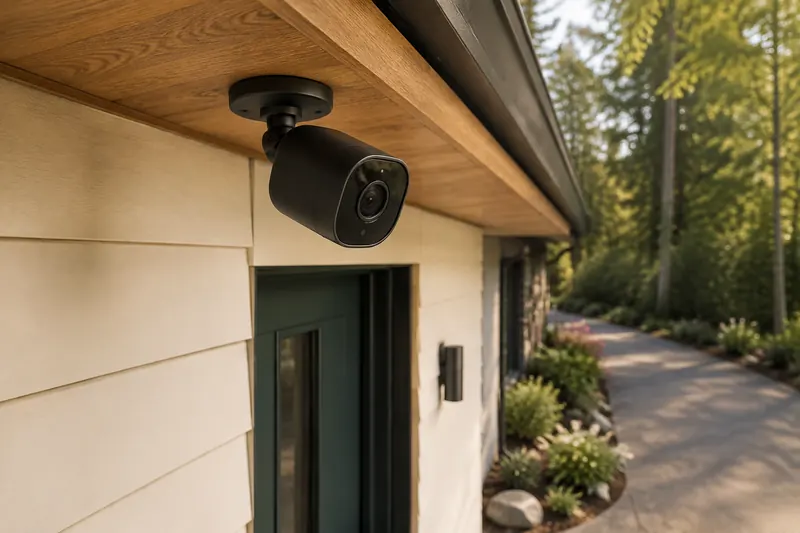
That opens up positions other cameras cannot reach: the far corner of a garden, a detached garage, a rented flat where drilling through a wall is not an option, a gate at the end of a drive. Combined with genuinely weatherproof housings, it is the most flexible mounting story in the category.
Battery life is the other half. Depending on model and traffic, a charge typically lasts three to six months. In a busy front-garden position expect the shorter end; on a quiet side return, longer. Solar panel accessories effectively eliminate recharging in sunny positions and are worth the outlay for hard-to-reach cameras.
Image quality leads the category
Arlo pushed to 2K and then 4K earlier than most rivals, and the difference is not marketing. Digital zoom on a 4K sensor can actually resolve a number plate or a face at distance, where a 1080p camera gives you a blur and a shrug.
Colour night vision — using an integrated spotlight rather than infrared — is the other genuine advantage. Infrared footage tells you someone wearing a hoodie was present. Colour footage tells you the hoodie was red, which is the kind of detail that is actually useful afterwards.
The caveat: recording at 4K consumes battery and bandwidth considerably faster, and viewing 4K recordings generally requires the higher subscription tier. Many owners settle on 2K as the sensible compromise.
The subscription problem
This is where enthusiasm has to be qualified.
Without Arlo Secure you get live view and basic motion alerts. Recording, person and vehicle detection, activity zones and e911 all sit behind the subscription. As with Ring, a plan is effectively mandatory rather than optional — a camera that cannot save what it saw is a doorbell peephole with extra steps.
Pricing has also risen repeatedly over the years, and features have periodically moved from lower tiers to higher ones. Buyers who invested in Arlo hardware early have reasonable grounds for irritation about that pattern.
Living with batteries
Wire-free means maintenance, and it is worth being clear-eyed about it.
Every camera needs bringing down and recharging every few months. With two cameras that is a minor chore. With eight, it is a recurring Saturday job, and cameras die on a staggered schedule so it never quite finishes.
Three things help. Buy a spare battery per camera so you swap rather than wait. Add solar panels to anything above ground-floor height. And tune activity zones aggressively — a camera watching a busy pavement will wake constantly and drain in weeks rather than months.
If you have mains power available at every camera position, a wired system will be less hassle and often cheaper.
Who should buy Arlo
Buy Arlo if you need cameras where power is not available; you want the best image quality in a battery camera; you rent and cannot run cable; or you need genuinely weatherproof outdoor coverage.
Buy something else if you want to avoid subscriptions (Eufy); you have power at every position and want no maintenance; you want a full alarm system from the same vendor; or budget is the binding constraint (Wyze).
Sources and review scope
This is a research-based review. Our score is an editorial assessment using our published criteria; it is not a hands-on test result. We have not independently measured this product’s performance or long-term reliability.
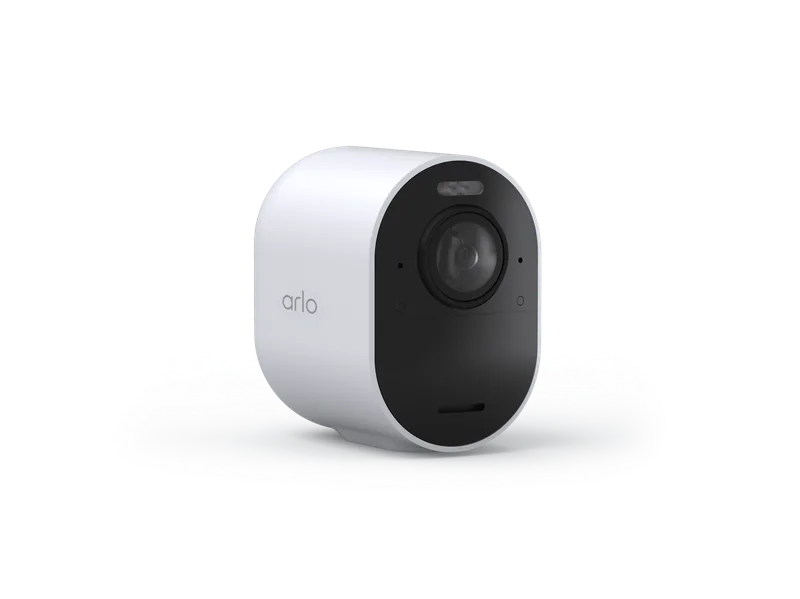
What to check for your setup: The pictured Ultra 2 requires a compatible SmartHub or base station; check the hub model because local storage and direct playback in the app differ. Arlo says local storage does not require an Arlo Secure subscription, but it saves automatically triggered recordings; manual recordings are saved to the cloud.
Source notes checked . Prices and offers can change; confirm the current terms for your chosen equipment and plan.
Frequently asked questions
How long do Arlo batteries actually last?
Typically three to six months depending on model, traffic and settings. Busy positions drain far faster. Solar panels effectively remove the problem in sunny spots.
Do Arlo cameras work without a subscription?
Only for live view and basic alerts. Recording, person detection and activity zones require Arlo Secure. Some models support local storage via a base station.
Is 4K worth it over 2K on an Arlo?
Only if you need to identify faces or plates at distance. 4K costs battery life, bandwidth and usually a higher subscription tier. Most people are better served by 2K.
Arlo or Ring for outdoor cameras?
Arlo for image quality and true wire-free placement; Ring for ecosystem integration and cheaper combined monitoring. See Arlo vs Ring.
Full specifications and scores
At a glance
- Installation
- DIY
- Contract
- None
- Monitoring
- Self-monitoring (professional via Arlo Secure)
- Monthly
- $0–$25 (Arlo Secure)
- Equipment
- $100–$500 per device
- Storage
- Cloud (local via base station on some models)
- Works with
- Alexa, Google Assistant, Apple Home (varies)