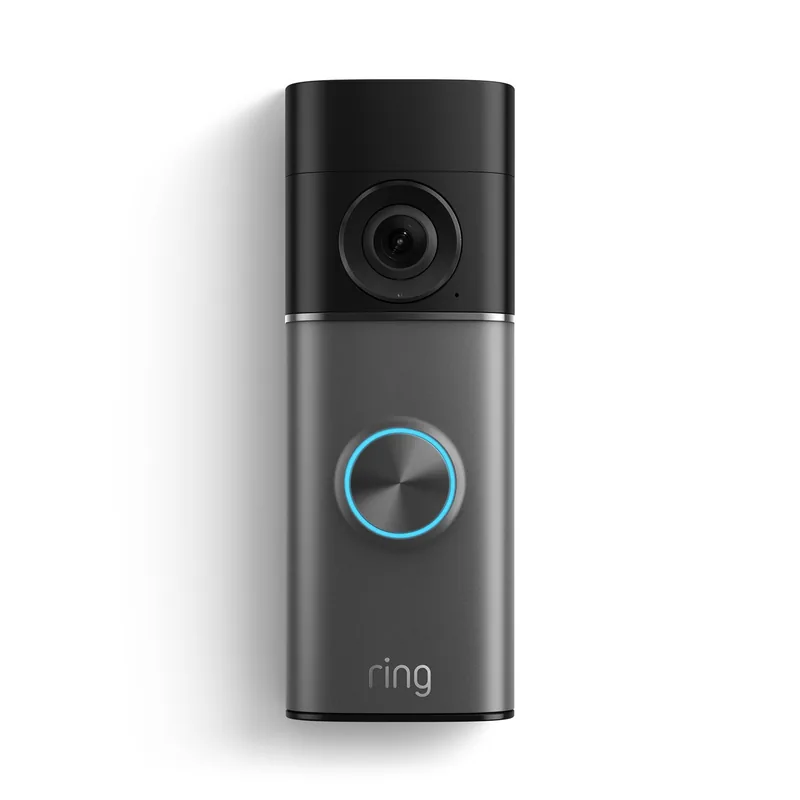
 4.3
4.3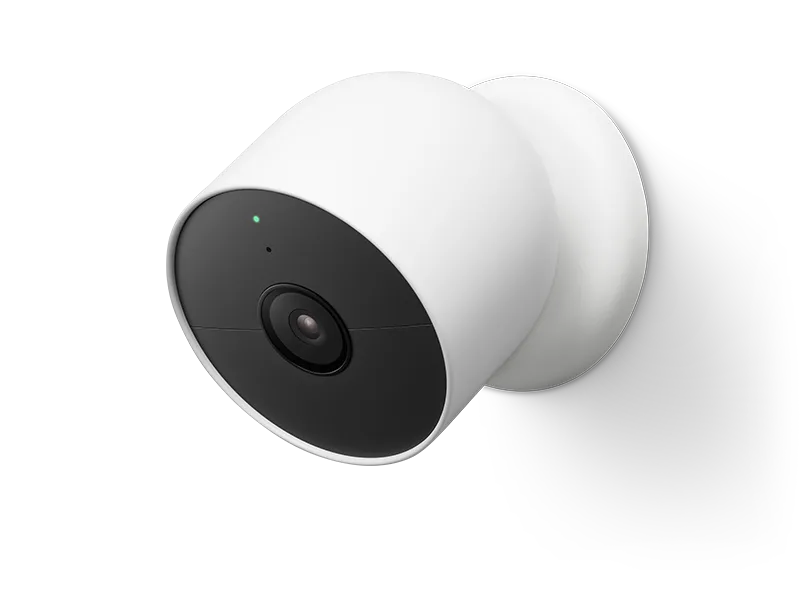
 4.1
4.1In this guide
Ring vs Google Nest at a glance
| Feature | Ring | Google Nest |
|---|---|---|
| Our score | 4.3/5 | 4.1/5 |
| Installation | DIY (professional available) | DIY |
| Contract | None | None |
| Monitoring | Optional professional or self-monitoring | Self-monitoring (professional via ADT partnership) |
| Monthly cost | $0–$20 | $0–$20 (Nest Aware) |
| Equipment cost | $200–$600 | $100–$450 per device |
| Video storage | Cloud (subscription required for recording) | Cloud (limited on-device buffer) |
| Works with | Alexa (deep), Amazon devices | Google Home, Assistant, Matter |
| Trial / returns | 30-day returns | 30-day returns |
| Best for | Camera-first buyers already inside the Amazon ecosystem | Google Home households wanting the best-in-class doorbell and thermostat |
Detection intelligence: Nest
Nest leads on the software that decides whether to bother you. Familiar face detection tells you your daughter is home rather than that motion occurred. Package detection distinguishes a delivery from a passing van. Activity zones are precise.
The practical result is fewer useless notifications, and that determines whether you keep alerts switched on after the first fortnight. Ring’s detection is good; Nest’s filtering is better.
Hardware range and ecosystem: Ring
Ring makes far more devices. Battery, wired, floodlight, solar, pan-tilt, indoor, several doorbell variants. Whatever awkward position you need to cover, Ring probably makes the product.
Nest’s range is deliberately narrow: a doorbell, a couple of cameras, a thermostat. Each is excellent; there is much less choice.
On voice, Ring’s Alexa integration is the deepest available. Nest’s Google Home integration is equally strong on the other side. This is genuinely the deciding factor for most households — buy the one that matches the speakers you already own.
Subscription structure differs meaningfully
Nest Aware is priced per household. One subscription, every camera. Ring’s cheapest tier is per device, with an unlimited tier at one address.
With one doorbell, Ring is cheaper. With four cameras, Nest Aware is often better value — and Ring’s unlimited plan also includes alarm monitoring, which Nest cannot offer at all.
Work out your device count before comparing headline prices; the ranking flips depending on it.
Privacy: neither is a clean win
Ring is owned by Amazon and settled with the FTC in 2023 over employee access to customer video. It has since added end-to-end encryption and mandatory two-factor authentication.
Nest is owned by Google, which processes video in the cloud and has a long record of retiring products — Nest Secure being the relevant example.
Both are large advertising-adjacent companies storing video of your home. If that is the objection, Eufy’s local storage is the alternative to look at.
Which should you choose?
Choose Ring if you use Alexa; you want more hardware options; you want alarm monitoring bundled; or you are starting with a single doorbell.
Choose Nest if you use Google Home; notification quality matters most; you have several cameras; or you also want the best learning thermostat.
Frequently asked questions
Which doorbell is better, Ring or Nest?
Nest for detection intelligence and fewer false alerts; Ring for hardware variety and Alexa integration. Match it to the voice assistant you already use.
Is Nest Aware cheaper than Ring Protect?
With three or more cameras usually yes, because Nest Aware covers the whole household. With one device Ring is cheaper.
Does Nest still make a security system?
No. Nest Secure was discontinued. Google’s security offering now runs through its ADT partnership.
Full specifications and scores
Quick scores
- Ring
- 4.3/5 — Best-in-class cameras with a competent alarm attached
- Google Nest
- 4.1/5 — Excellent individual devices, no longer a whole security system