In this guide
What we like
- Best-in-class familiar-face and package detection in the price bracket
- The Learning Thermostat still leads on energy savings for most households
- Nest Aware covers every camera on the account, not per device
- Strong Matter support and clean Google Home integration
What to watch
- Nest Secure was discontinued — there is no first-party alarm any more
- Google has a long track record of retiring hardware lines
- Very limited local storage
- Works far better inside Google Home than outside it
Nest is no longer a security company
This is the single most important thing to know, and it is the point most buying guides bury.
Nest Secure — the alarm system with the guard, door sensors and keypad — was discontinued, and support ended. There is no first-party Nest alarm to buy. Google’s answer to “I want a monitored security system” is now the ADT partnership, where Nest cameras and doorbells sit inside an ADT system with ADT’s monitoring and ADT’s contract.
So if you are shopping for a security system, you are really evaluating ADT. If you are shopping for excellent cameras, a doorbell and a thermostat that work beautifully together, you are in the right place — Nest is very good at exactly that.
The on-device intelligence is the differentiator
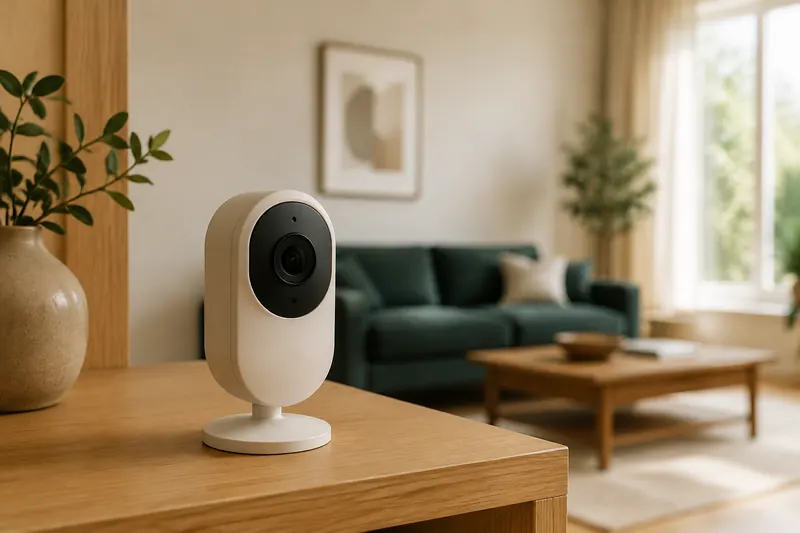
Nest cameras have consistently led the consumer category on the software side rather than the sensor side, and it still shows.
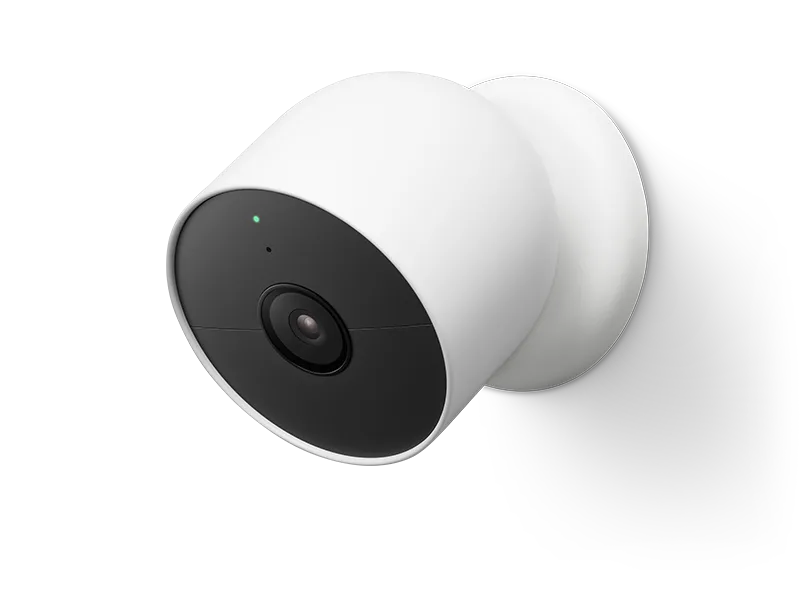
Familiar face detection tells you your daughter is home rather than that motion occurred. Package detection distinguishes a delivery from a passing car. Activity zones are drawn precisely rather than as crude rectangles. Newer cameras run much of this on-device, which makes alerts fast and keeps basic detection alive during an internet outage.
The practical effect is fewer useless notifications. Almost every camera can tell you something moved; the difference between a camera you keep alerts enabled on and one you mute after a fortnight is how well it filters. Nest filters best.
The Learning Thermostat still earns its place
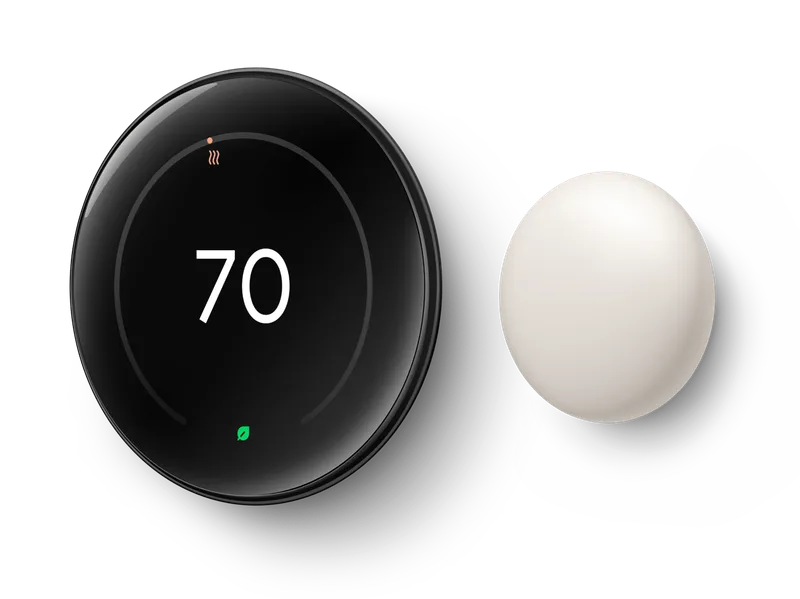
The Nest thermostat is the product that made the company, and it remains a legitimately good buy — arguably the strongest part of the current range.
Two things justify it. The learning behaviour genuinely reduces runtime for households with irregular schedules, because it stops heating an empty house without anyone having to program anything. And the interface is still the best in the category: the physical dial remains more pleasant than any touchscreen.
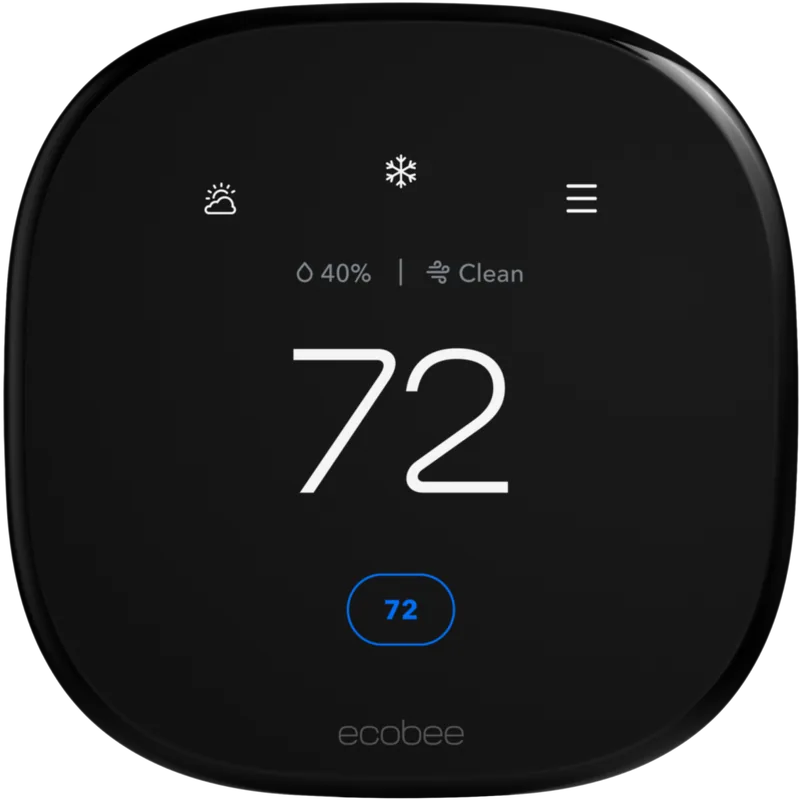
Room sensors are no longer a reason to rule Nest out. The Learning Thermostat (4th gen) includes one Nest Temperature Sensor (2nd gen) and supports up to six sensors per thermostat. ecobee Smart Thermostat Premium includes a SmartSensor with temperature and occupancy detection. Compare their sensor controls and scheduling in Nest vs ecobee.
The fourth-generation Learning Thermostat also supports Matter, including linking it to Apple Home. Google Home is required for initial setup. Check the exact generation and the controls available in your chosen app.
Nest Aware, and the pricing logic
Nest Aware is priced per household rather than per camera, which is unusual and increasingly valuable as you add devices. One subscription covers every camera on the account.
With three or more cameras, this is often cheaper than per-device competitors. With a single doorbell it is less compelling. Newer devices include a small on-device buffer of recent event video without a subscription, which is better than nothing but not a substitute for history.
Roughly: a standard tier around $8–$10 per month with a few weeks of event history, and a plus tier around $15–$20 adding longer history and 24/7 continuous recording on wired cameras. Verify current pricing before buying.
The Google risk
It would be dishonest to review Nest without addressing the company’s record on product longevity.
Nest Secure was discontinued. Works with Nest, the integration programme many people built their homes around, was shut down and replaced. Google has retired numerous hardware and service lines over the years. The Nest brand itself has been folded into Google Home.
None of this means current products will vanish — cameras, doorbells and thermostats are core to Google’s home strategy and are actively developed. But if you are wiring a house around a platform for the next decade, the historical pattern is a legitimate input. Lutron is the counter-example people reach for: unfashionable, and still supporting hardware sold fifteen years ago.
Who should buy Nest
Buy Nest if your household already runs on Google Home and Assistant; you want the best notification filtering available; you have several cameras and want one household subscription; or you want the best learning thermostat.
Buy something else if you need a monitored alarm from one vendor; you want local storage (Eufy); you live in Alexa’s world (Ring); or platform longevity is a primary concern.
Sources and review scope
This is a research-based review. Our score is an editorial assessment using our published criteria; it is not a hands-on test result. We have not independently measured this product’s performance or long-term reliability.
- Nest Cam (battery): included features and recording limits
- Nest Learning Thermostat (4th gen): sensors and Matter
What to check for your setup: Nest Cam (battery) includes three hours of event video history; longer history and familiar-face recognition require a compatible Google Home Premium subscription. The Learning Thermostat (4th gen) includes a temperature sensor and supports Matter, so check the exact Nest generation before applying camera, sensor or smart-home compatibility claims across the range.
Source notes checked . Prices and offers can change; confirm the current terms for your chosen equipment and plan.
Frequently asked questions
Does Google Nest still sell a security system?
No. Nest Secure was discontinued and there is no first-party replacement. Google’s security offering now runs through its ADT partnership, where Nest devices sit inside an ADT system.
Do Nest cameras work without Nest Aware?
Partially. You get live view and notifications, and newer cameras keep a short on-device buffer of event video. Full history requires a subscription.
Is Nest Aware per camera or per home?
Per household — one subscription covers every camera on the account. This makes Nest unusually cost-effective once you have three or more cameras.
Nest or ecobee for a thermostat?
Both Nest Learning Thermostat (4th gen) and ecobee Smart Thermostat Premium include remote sensors. Compare their sensor controls, scheduling and HVAC compatibility rather than assuming room sensing is exclusive to ecobee. See Nest vs ecobee.
Do Nest devices work with Apple Home?
Some do. Nest Learning Thermostat (4th gen) can connect to Apple Home through Matter; Google Home is required for setup. Check each device and generation rather than extending that compatibility to all Nest cameras, doorbells or older thermostats.
Full specifications and scores
At a glance
- Installation
- DIY
- Contract
- None
- Monitoring
- Self-monitoring (professional via ADT partnership)
- Monthly
- $0–$20 (Nest Aware)
- Equipment
- $100–$450 per device
- Storage
- Cloud (limited on-device buffer)
- Works with
- Google Home, Assistant, Matter