In this guide
A video doorbell is usually the first smart security device a household buys, and often the only one it ever needs. It covers the entry point used in most burglaries, it solves the parcel problem, and it is genuinely useful several times a week.
The differences between good doorbells are not about picture quality — all of these are sharp enough. They are about how well the thing filters notifications, whether it needs a subscription, and whether it fits your wiring.
| Pick | Best for | Score | Subscription | Power |
|---|---|---|---|---|
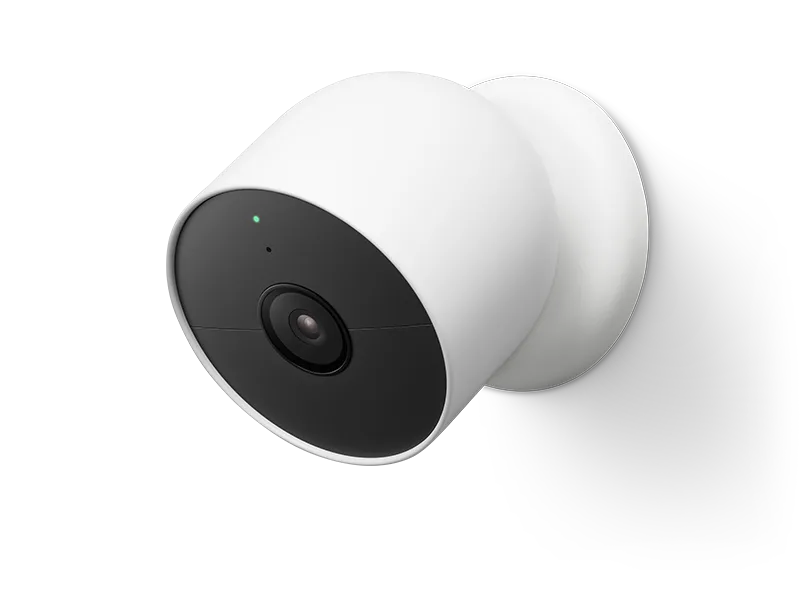
| Google Nest | Best overall | 4.1/5 | Nest Aware (per household) | Wired or battery |
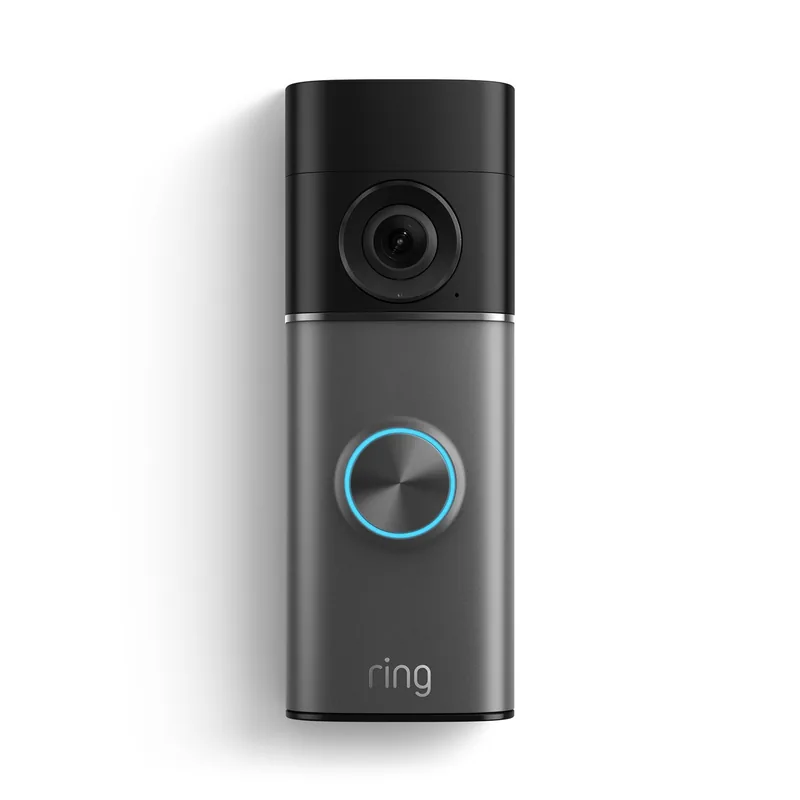
| Ring | Best for Alexa households | 4.3/5 | Ring Protect (from ~$5) | Wired, battery or plug-in |
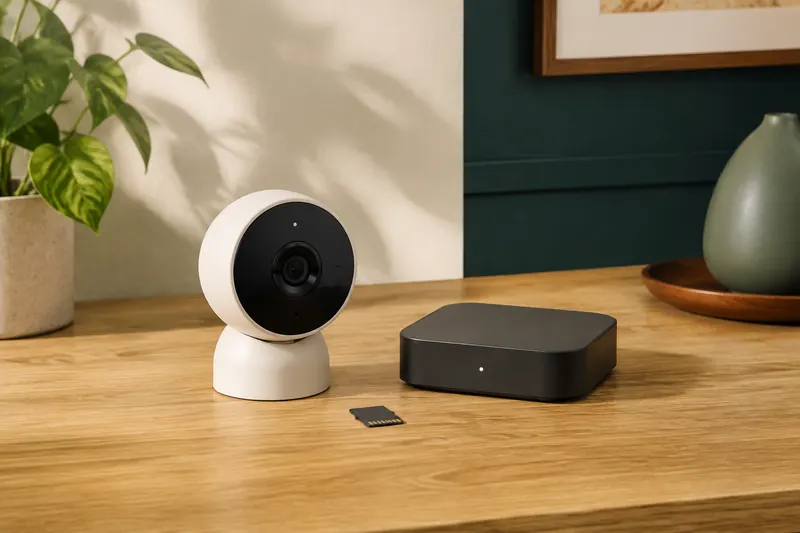
| Eufy | Best with no subscription | 4/5 | None required | Wired or battery |
| Arlo | Best image quality | 4/5 | Arlo Secure (from ~$8) | Wired or battery |




1. Google Nest — Best overall
Why it wins: The smartest notification filtering available — familiar faces and package detection mean you get alerts that are actually worth reading.
Every doorbell can tell you something moved. The difference between one you keep alerts on and one you mute after a fortnight is filtering, and Nest filters best. Familiar face detection names the person; package detection distinguishes a delivery from a passing van.
Nest Aware being priced per household rather than per device is a genuine advantage once you own more than one camera.
Watch out for: familiar face detection is restricted in some jurisdictions, notably Illinois. And it works far better inside Google Home than outside it.
What we like
- Best notification filtering in the category
- Nest Aware covers the whole household, not per device
- Excellent tall aspect ratio shows parcels on the step
What to watch
- Face detection unavailable in some jurisdictions
- Best only inside Google Home
- Google’s record on retiring hardware lines
2. Ring — Best for Alexa households
Why it wins: The widest range of models, the most refined app, and doorbell announcements through every Echo in the house.
Ring built this category and it still makes the most complete range — battery, wired, plug-in, and a version for almost every wiring situation including flats with no doorbell transformer.
If you own Echo devices, the integration is in a different league: announcements everywhere, automatic feeds on an Echo Show, and no bridge required.
Watch out for: nothing records without a subscription, and footage lives on Amazon’s servers.
What we like
- Widest model range including no-wiring options
- Deepest Alexa integration available
- Cheapest route to doorbell plus alarm monitoring
What to watch
- No recording without a subscription
- No local storage
- Amazon ownership and the 2023 FTC settlement
3. Eufy — Best with no subscription
Why it wins: Records locally to a HomeBase. No monthly fee, ever, and on-device detection that keeps working when broadband drops.
The only doorbell here that genuinely costs nothing to run. Footage stays in your house, playback is instant, and person detection happens on the device.
The dual-camera models are particularly good for a doorstep: a wide lens for the scene and a second lens angled down at the step, so you can see a parcel that a single wide lens would miss.
Watch out for: the HomeBase holds your footage, so hide it. And read our Eufy review on the 2023 cloud-upload disclosure.
What we like
- No subscription required at all
- Local storage keeps working offline
- Dual-lens models see the doorstep properly
What to watch
- HomeBase theft means footage loss
- 2023 disclosure about cloud uploads
- App less polished than Ring
4. Arlo — Best image quality
Why it wins: The sharpest doorbell footage available, with a square aspect ratio that shows a visitor head to toe.
If you want to be able to identify someone rather than merely notice them, Arlo resolves more detail than anything else here. The square field of view is genuinely better suited to a doorstep than a widescreen crop.
Watch out for: almost everything useful requires Arlo Secure, and its pricing has risen repeatedly.
What we like
- Sharpest image of any doorbell here
- Square aspect ratio shows visitors head to toe
- Excellent colour night vision
What to watch
- Subscription effectively mandatory
- Pricing has risen repeatedly
- Battery models need periodic recharging
Check your wiring before you choose
This is the single most common cause of a returned doorbell, and it takes two minutes to avoid.
If you have an existing wired doorbell with a chime, most wired models will work — but check the transformer voltage. Many video doorbells need 16–24 VAC, and older homes often have a 10 VAC transformer that will not drive one reliably. The symptom is a doorbell that works intermittently or reboots.
If you have no doorbell wiring at all — common in flats and newer builds with wireless chimes — you need a battery model, or Ring’s plug-in variant.
If you rent, a battery doorbell on a no-drill adhesive or clamp mount is usually the only route your tenancy allows.
What actually matters in a doorbell
Marketing emphasises resolution. In practice, four other things determine whether you like it.
Notification filtering. A doorbell that alerts on every passing car gets muted within a fortnight, at which point it is useless. This is where Nest leads and why it tops this list.
Field of view shape. A tall or square aspect ratio shows a parcel on the step and a visitor head to toe. A widescreen crop shows a lot of your neighbour’s garden and cuts off the doorstep.
Response latency. The gap between the press and the live feed loading. Anything over four or five seconds and the visitor has given up. Wired models are consistently faster than battery ones.
Night performance. Most doorstep events happen after dark. Colour night vision with a spotlight beats infrared for identification.
Wired or battery?
| Wired | Battery | |
|---|---|---|
| Response speed | Faster, always on | Slower to wake |
| Maintenance | None | Recharge every 2–6 months |
| Continuous recording | Possible on some models | No |
| Installation | Needs existing wiring | Anywhere |
| Suitable for renters | Usually not | Yes |
| Cold weather | Unaffected | Battery life drops sharply |
If you have working doorbell wiring at the right voltage, wired is the better product in every respect except installation effort. Battery exists to solve a problem, not because it is preferable.
Frequently asked questions
What is the best video doorbell overall?
Nest, for notification filtering that makes alerts worth reading. Ring if you use Alexa, Eufy if you refuse a subscription, Arlo if image quality matters most.
Do video doorbells need a subscription?
Ring, Nest and Arlo effectively require one to record anything. Eufy does not — it records locally to a HomeBase with no monthly fee.
Can I fit a video doorbell without existing wiring?
Yes. Battery models work anywhere, and Ring offers a plug-in variant. Check whether your tenancy allows drilling; no-drill mounts are available.
What voltage does a video doorbell need?
Most wired models need 16–24 VAC. Older homes often have 10 VAC transformers, which cause intermittent operation. Check before buying — a replacement transformer is inexpensive.