 4
4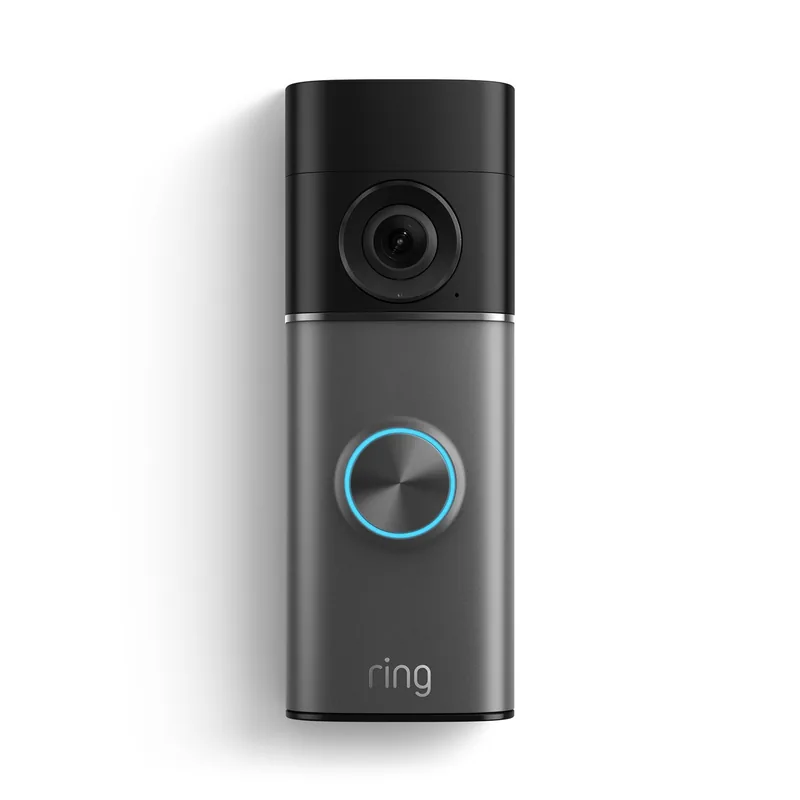
 4.3
4.3In this guide
Arlo vs Ring at a glance
| Feature | Arlo | Ring |
|---|---|---|
| Our score | 4/5 | 4.3/5 |
| Installation | DIY | DIY (professional available) |
| Contract | None | None |
| Monitoring | Self-monitoring (professional via Arlo Secure) | Optional professional or self-monitoring |
| Monthly cost | $0–$25 (Arlo Secure) | $0–$20 |
| Equipment cost | $100–$500 per device | $200–$600 |
| Video storage | Cloud (local via base station on some models) | Cloud (subscription required for recording) |
| Works with | Alexa, Google Assistant, Apple Home (varies) | Alexa (deep), Amazon devices |
| Trial / returns | 30-day returns | 30-day returns |
| Best for | Properties where running cable is impractical | Camera-first buyers already inside the Amazon ecosystem |
Image quality: Arlo
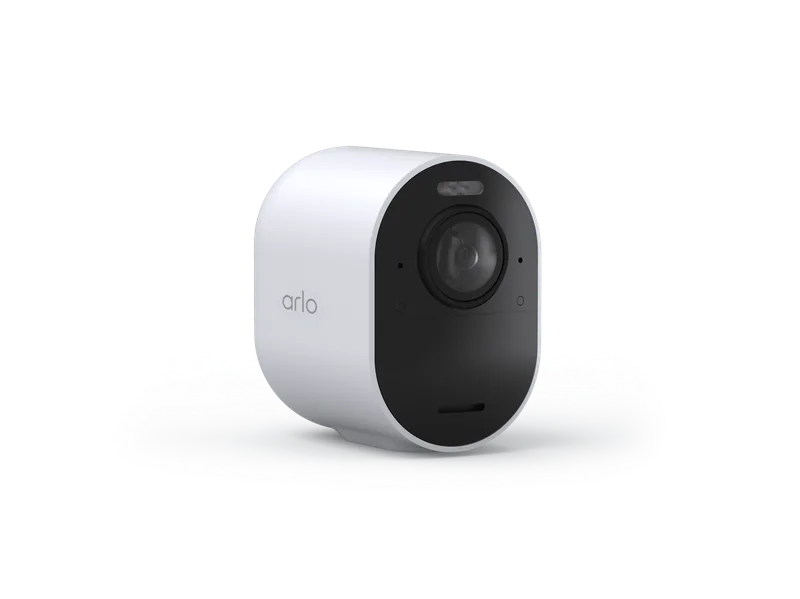
Arlo pushed to 2K and 4K ahead of the market and the difference is practical, not cosmetic. Digital zoom on a 4K sensor can resolve a face or a number plate at a distance where a 1080p camera returns a smear.
Colour night vision, using an integrated spotlight rather than infrared alone, is the second advantage. “A person in a dark hoodie” is much less useful to police than “a person in a red hoodie”.
Ring’s cameras are good — well-tuned motion detection, reliable hardware — but on raw image quality Arlo leads.
Mounting freedom: Arlo
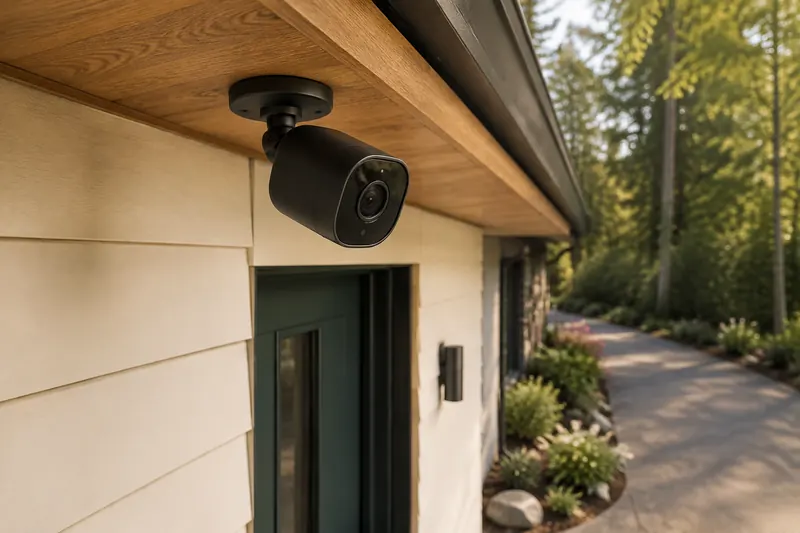
Arlo built its business on genuinely wire-free cameras: no power cable, three to six months of battery, weatherproof housings. That opens positions Ring’s wired models cannot reach — a detached garage, a gate at the end of a drive, a rented flat where drilling is prohibited.
Ring does make battery cameras, and they are competent. Arlo simply does this better, with longer life and better weather sealing.
The cost is maintenance. Every battery camera needs recharging periodically, and with several cameras that becomes a recurring chore. Solar panels largely solve it in sunny positions.
Ecosystem and value: Ring
If you own Echo devices, Ring’s integration is in a different league — doorbell announcements through every speaker, automatic feeds on an Echo Show, voice arming without workarounds.
Ring is also better value once you count everything. Its top plan bundles unlimited camera recording and 24/7 alarm monitoring for roughly $20 per month. Arlo Secure covers cameras only, and its pricing has risen repeatedly.
| Arlo | Ring | |
|---|---|---|
| Best image quality | Yes — up to 4K | Up to 2K on newer models |
| True wire-free | Class-leading | Available, shorter life |
| Alexa integration | Basic | Deepest available |
| Alarm monitoring included | No | Yes, on top plan |
| Local storage option | Some models, via base station | Very limited |
Which should you choose?
Choose Arlo if positions have no power; you need to identify faces or plates at distance; or you want the best battery camera hardware.
Choose Ring if you use Alexa; you want the best doorbell; you want alarm monitoring bundled; or you want the lowest total cost.
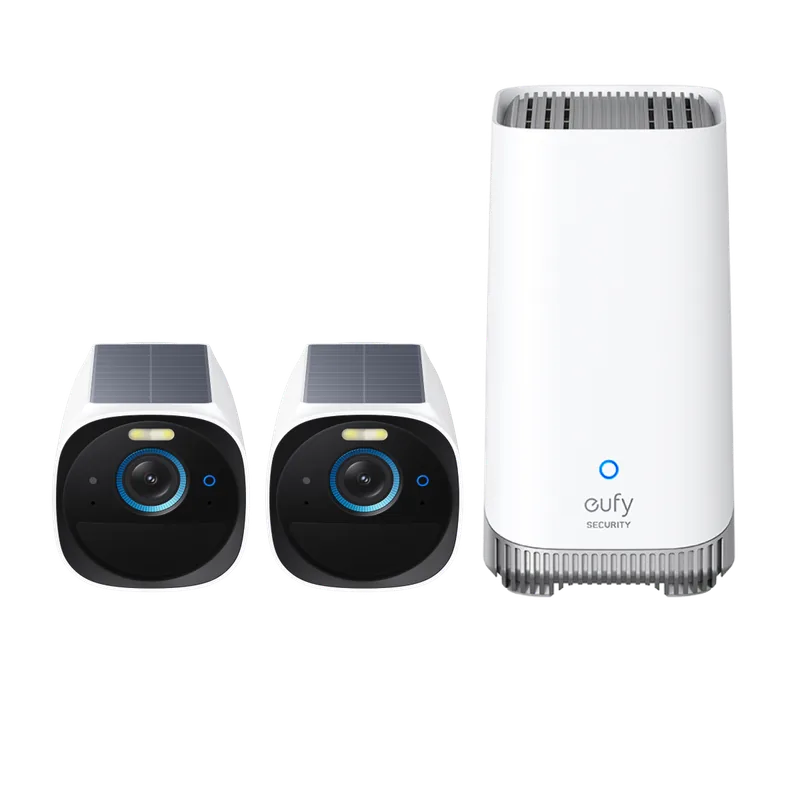
If subscriptions are the objection rather than the choice between these two, look at Eufy — see Arlo vs Eufy.
Frequently asked questions
Is Arlo better than Ring?
For image quality and wire-free mounting, yes. For ecosystem integration, doorbells and total value, Ring. Neither is universally better.
Do both need a subscription?
Effectively yes. Neither records usefully without one. Ring’s top plan is better value because it includes alarm monitoring.
Which has better battery life?
Arlo, typically three to six months against shorter figures for Ring battery cameras. Solar panels help both.
Full specifications and scores
Quick scores
- Arlo
- 4/5 — The wire-free camera specialist
- Ring
- 4.3/5 — Best-in-class cameras with a competent alarm attached